






What Is TFT LCD Display Module
What Is a TFT LCD Display Module?
In today's digital world, display technology plays a crucial role in countless electronic devices. From smartphones and industrial equipment to medical instruments and automotive dashboards, clear and vibrant visual interfaces are essential. One of the most widely used display technologies is the TFT LCD display module. But what exactly is a TFT LCD display module, and why is it so popular? This article explores the technology, structure, advantages, applications, and future trends of TFT LCD display modules.
Understanding TFT LCD Technology
TFT LCD stands for Thin-Film Transistor Liquid Crystal Display. It is a type of liquid crystal display that uses thin-film transistor technology to improve image quality, response time, and color performance.
standard LCD works by controlling liquid crystals that either block or allow light to pass through. TFT technology enhances this process by assigning a dedicated transistor to each pixel on the screen. These transistors act as switches that precisely control the display's pixels, resulting in sharper images and more accurate colors.
Compared with traditional passive-matrix LCDs, TFT LCDs offer significantly better performance, making them suitable for applications that require detailed graphics, animations, and full-color displays.
Structure of a TFT LCD Display Module
TFT LCD display module consists of several key components:
1. TFT LCD Panel
The panel is the core part of the module. It contains millions of pixels arranged in rows and columns. Each pixel is controlled by a thin-film transistor, enabling accurate image rendering.
2. Backlight Unit
Liquid crystals do not emit light by themselves. Therefore, a backlight is required to illuminate the display. Modern TFT LCD modules typically use LED backlighting because it provides high brightness, low power consumption, and long service life.
3. Driver IC
The driver integrated circuit controls the operation of the display. It receives signals from the host device and converts them into commands that determine how each pixel should behave.
4. Interface Circuit
The interface allows communication between the display module and the main controller. Common interfaces include SPI, RGB, MCU, MIPI, LVDS, and HDMI.
5. Touch Panel (Optional)
Many TFT LCD modules include a capacitive or resistive touch panel, enabling users to interact directly with the display.
How Does a TFT LCD Display Module Work?
The operation of a TFT LCD module begins with the backlight generating light. This light passes through several layers, including polarizers, color filters, and liquid crystal cells.
Each pixel contains red, green, and blue sub-pixels. The TFT transistors regulate the voltage applied to the liquid crystal material, controlling how much light passes through each sub-pixel. By adjusting the intensity of the RGB colors, the display can produce millions of different color combinations.
The result is a bright, colorful, and high-resolution image suitable for various applications.
Advantages of TFT LCD Display Modules
Excellent Image Quality
TFT LCD displays provide sharp images with high resolution and vibrant colors. This makes them ideal for graphic-intensive applications.
Fast Response Time
Because each pixel is individually controlled, TFT displays offer faster response times than traditional LCD technologies. This helps reduce motion blur and improves video playback.
Wide Range of Sizes
TFT LCD modules are available in many sizes, from compact 1.44-inch displays for wearable devices to large industrial panels exceeding 15 inches.
Low Power Consumption
Modern TFT LCD modules use energy-efficient LED backlights and optimized driver circuits, making them suitable for battery-powered devices.
High Reliability
TFT LCD technology is mature and widely adopted, providing long operational life and stable performance.
Touchscreen Compatibility
Many TFT modules can be integrated with touch panels, creating intuitive human-machine interfaces for modern devices.
Common Types of TFT LCD Display Modules
Standard TFT LCD Modules
These modules are designed for general-purpose applications and provide good performance at an affordable cost.
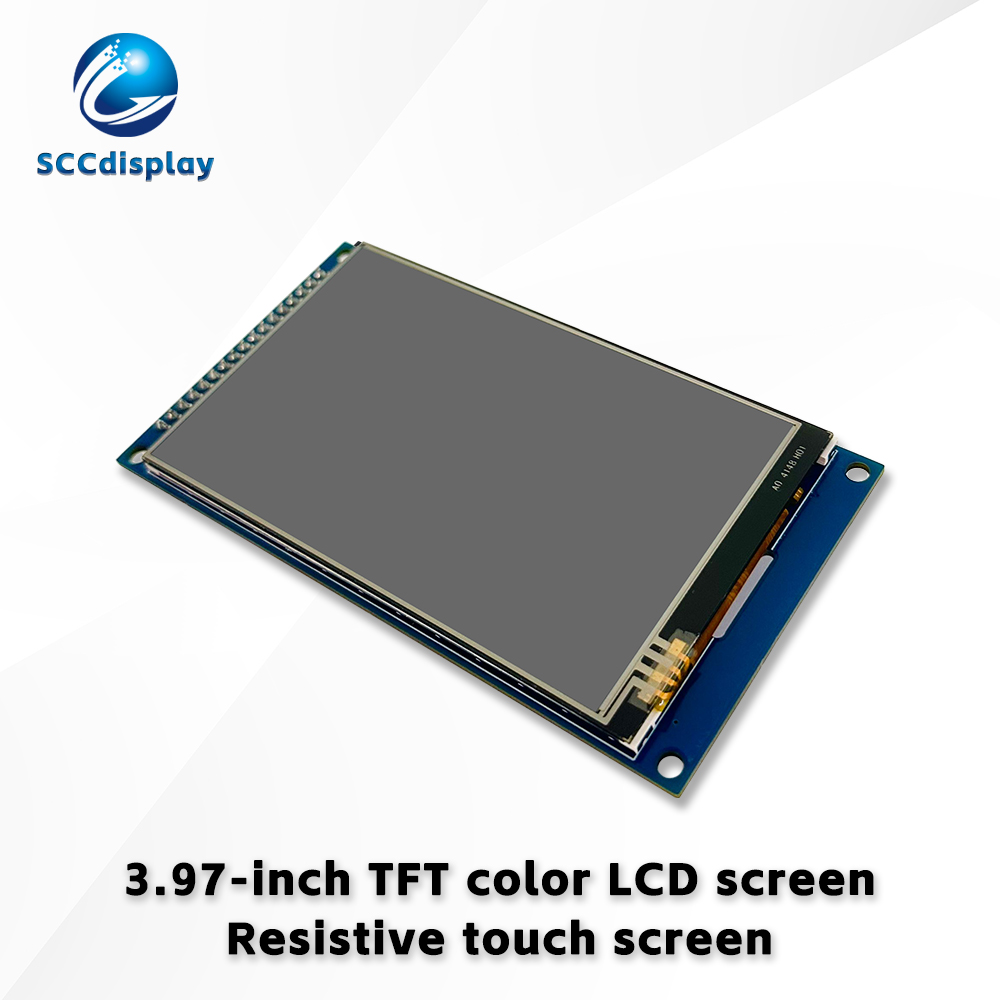
IPS TFT LCD Modules
IPS (In-Plane Switching) technology improves viewing angles and color consistency. IPS TFT displays maintain image quality even when viewed from different directions.
Sunlight-Readable TFT Displays
These displays feature enhanced brightness and optical improvements, making them suitable for outdoor environments.
Touchscreen TFT Modules
Integrated touch functionality simplifies system design and improves user interaction.
Industrial TFT Displays
Designed for demanding environments, industrial TFT modules offer extended temperature ranges, enhanced durability, and long-term availability.
Applications of TFT LCD Display Modules
Consumer Electronics
Smartphones, tablets, portable gaming devices, digital cameras, and smart home products commonly use TFT LCD technology.
Industrial Equipment
Factory automation systems, control panels, instrumentation, and monitoring equipment rely on TFT displays for clear visualization of data.
Medical Devices
Medical monitors, diagnostic instruments, and portable healthcare equipment use TFT LCD modules because of their accuracy and reliability.
Automotive Displays
Vehicle dashboards, infotainment systems, navigation units, and rear-seat entertainment systems frequently incorporate TFT LCD displays.
Smart Appliances
Washing machines, refrigerators, coffee machines, and air conditioning systems increasingly feature TFT LCD interfaces.
IoT and Embedded Systems
Engineers often use TFT LCD modules in Arduino, Raspberry Pi, ESP32, and other embedded development platforms to create interactive projects.
Key Factors to Consider When Choosing a TFT LCD Module
When selecting a TFT LCD display module, several specifications should be evaluated:
Screen Size
Choose a size appropriate for the intended application and available installation space.
Resolution
Higher resolutions provide sharper images and allow more information to be displayed.
Brightness
Applications used outdoors or in bright environments may require displays with higher brightness levels.
Viewing Angle
IPS panels are often preferred when wide viewing angles are necessary.
Interface Compatibility
Ensure the display interface matches the capabilities of the host controller.
Touch Functionality
Determine whether a capacitive or resistive touch panel is required.
Operating Temperature
Industrial and outdoor applications may require modules that function reliably in extreme temperatures.
TFT LCD vs. OLED
common comparison is between TFT LCD and OLED technology.
TFT LCD displays use a backlight to illuminate pixels, while OLED displays generate light directly from each pixel. OLED screens generally offer deeper blacks and higher contrast ratios. However, TFT LCD modules often provide lower costs, longer availability, greater durability in certain applications, and better performance in high-brightness environments.
For many industrial, medical, and embedded applications, TFT LCD remains the preferred solution due to its balance of performance, reliability, and cost-effectiveness.
Future Trends in TFT LCD Technology
Despite competition from newer display technologies, TFT LCD continues to evolve. Manufacturers are developing thinner panels, higher resolutions, improved color reproduction, and more energy-efficient designs. Advances in IPS technology, touch integration, and optical bonding further enhance display performance.
Emerging trends include ultra-bright outdoor displays, flexible integration options, and advanced human-machine interface solutions. As industries continue to adopt smart devices and connected systems, demand for TFT LCD display modules remains strong.
Conclusion
TFT LCD display module is a versatile and reliable display solution used across numerous industries and applications. By utilizing thin-film transistor technology, these modules deliver excellent image quality, fast response times, vibrant colors, and dependable performance. Whether used in consumer electronics, industrial automation, medical equipment, automotive systems, or IoT devices, TFT LCD display modules continue to play a vital role in modern electronic design. Their combination of affordability, flexibility, and proven technology ensures they will remain an important part of the display market for years to come.
