






How To Use LCD Display Module
LCD display modules are widely used in electronics projects, industrial equipment, smart home devices, medical instruments, and embedded systems. They provide a simple and efficient way to display text, numbers, symbols, and even graphics. Whether you are a beginner learning electronics or an engineer developing a product, understanding how to use an LCD display module is an essential skill.
This guide explains what an LCD display module is, how it works, the different types available, and how to connect and program one successfully.
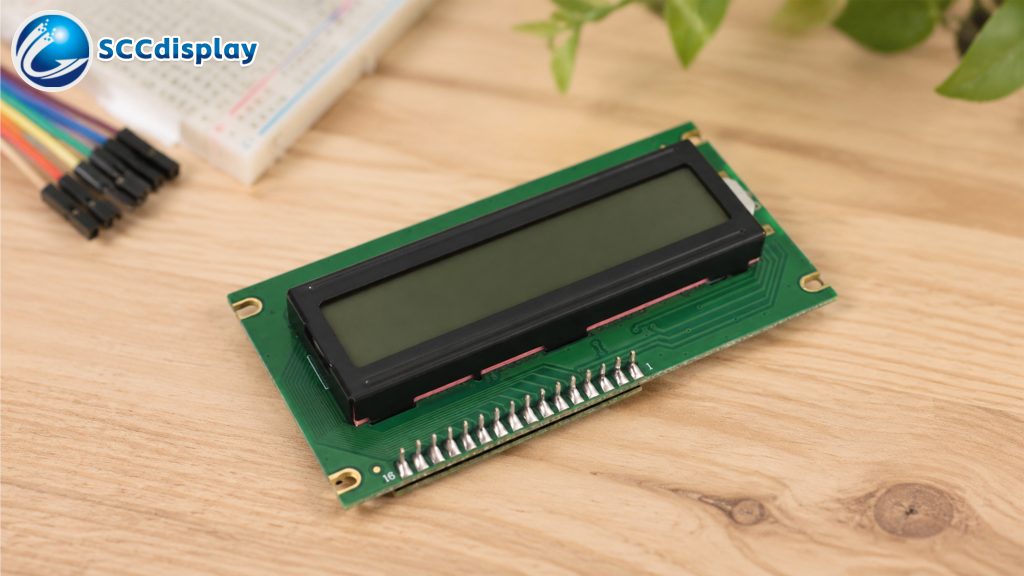
What Is an LCD Display Module?
LCD (Liquid Crystal Display) module is an electronic display device that uses liquid crystal technology to show information. Unlike LEDs, LCDs do not emit light directly. Instead, they manipulate light to create visible characters or images.
LCD modules are popular because they are:
- Low power consumption
- Lightweight and compact
- Easy to interface with microcontrollers
- Cost-effective
- Suitable for indoor and outdoor applications
Common LCD modules include:
- Character LCDs (16x2, 20x4)
- Graphic LCDs (128x64)
- TFT LCD displays
- OLED alternatives
Among these, character LCD modules are the most beginner-friendly and commonly used with development boards like Arduino.
Main Parts of an LCD Display Module
standard LCD module usually includes:
LCD Panel
The screen that displays characters or graphics.
Controller IC
Controls the display operation. Popular controllers include HD44780 and ST7066.
Backlight
Provides illumination for visibility in low-light conditions.
Interface Pins
Used for power and communication with a microcontroller.
Typical pins include:
- VCC – Power supply
- GND – Ground
- RS – Register select
- RW – Read/write
- EN – Enable
- D0–D7 – Data pins
- LED+ / LED− – Backlight control
Types of LCD Display Modules
Character LCD Modules
Character LCDs display letters, numbers, and symbols in predefined grids such as:
- 16x2 LCD
- 20x4 LCD
- 8x2 LCD
These are ideal for:
- Sensor readings
- Menu systems
- Clocks
- Simple user interfaces
Graphic LCD Modules
Graphic LCDs can display custom images, icons, and graphics.
Popular resolutions include:
- 128x64
- 240x128
These are commonly used in industrial equipment and portable devices.
TFT LCD Modules
TFT LCDs provide full-color displays and higher resolutions. They are used in:
- Smart devices
- Automotive systems
- Medical equipment
- Consumer electronics
How LCD Modules Work
LCD modules work by controlling liquid crystal molecules between polarized layers. When voltage is applied, the crystals align differently, affecting how light passes through the display.
The controller chip converts incoming data into visible characters or graphics on the screen.
For character LCDs, each character is formed using a small matrix of pixels, usually 5x8 dots.
How To Connect an LCD Display Module
The exact wiring depends on the LCD type, but the most common setup uses a 16x2 character LCD with an Arduino board.
Required Components
- LCD display module
- Arduino board
- Breadboard
- Jumper wires
- Potentiometer (for contrast adjustment)
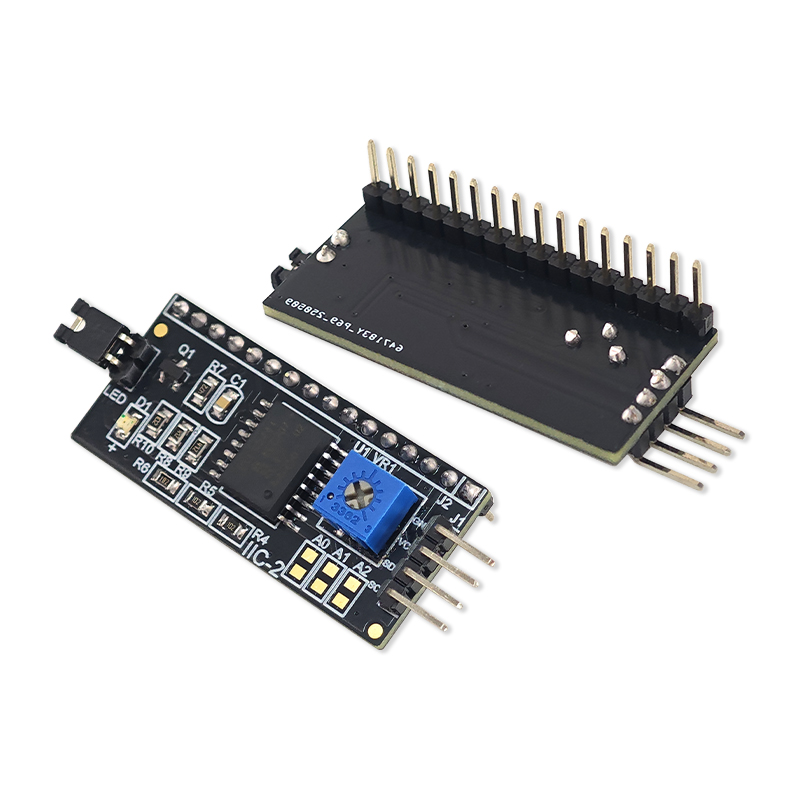
Using I2C LCD Modules
Traditional LCDs require many wires. I2C LCD adapters simplify the connection by reducing the interface to only four pins:
- VCC
- GND
- SDA
- SCL
Advantages of I2C LCD modules:
- Easier wiring
- Saves microcontroller pins
- Cleaner project layout
Common LCD Display Applications
LCD modules are used in countless electronic products.
Consumer Electronics
- Clocks
- Calculators
- Home appliances
Industrial Equipment
- Control panels
- Monitoring systems
- Automation devices
Medical Devices
- Diagnostic equipment
- Portable instruments
Automotive Displays
- Dashboard indicators
- Motorcycle LCD displays
- Navigation systems
DIY Electronics Projects
- Arduino projects
- Raspberry Pi systems
- Smart home controllers
Troubleshooting LCD Modules
Beginners often encounter issues when first using LCD displays.
Blank Screen
Possible causes:
- Incorrect wiring
- Contrast not adjusted
- Power supply issue
Random Characters
Possible causes:
- Loose connections
- Incorrect initialization
- Software errors
No Backlight
Possible causes:
- Backlight pins not connected
- Damaged LED backlight
Display Not Responding
Possible causes:
- Wrong pin configuration
- Faulty controller chip
- Incorrect I2C address
Carefully checking wiring and code usually resolves most problems.
Tips for Better LCD Performance
Adjust Contrast Properly
Use a potentiometer to improve text visibility.
Use I2C for Simpler Wiring
This reduces complexity and improves reliability.
Avoid Excessive Voltage
Most LCD modules operate at 5V or 3.3V. Applying higher voltage may damage the display.
Protect the Display
Avoid excessive pressure or moisture exposure.
Use Proper Libraries
Reliable libraries simplify programming and reduce compatibility issues.
Advantages of LCD Display Modules
LCD modules remain popular because they offer many benefits:
- Low power usage
- Long lifespan
- Good readability
- Compact size
- Affordable pricing
- Easy microcontroller integration
These features make them ideal for embedded systems and portable electronics.
Future of LCD Display Technology
LCD technology continues evolving with improvements in:
- Higher resolutions
- Better color reproduction
- Wider viewing angles
- Lower power consumption
- Flexible display designs
Although OLED and other technologies are growing, LCD modules remain one of the most practical and widely used display solutions in the electronics industry.
Conclusion
Learning how to use an LCD display module is an important step for anyone interested in electronics and embedded systems. From simple character LCDs to advanced TFT displays, LCD technology provides reliable visual output for countless applications.
By understanding the basics of wiring, programming, and troubleshooting, beginners can quickly create interactive projects and professional display systems. Whether you are building an Arduino sensor monitor, an industrial controller, or a consumer product, LCD display modules offer a dependable and cost-effective solution.
