






Qu'est-ce que le module d'affichage LCD TFT
Qu'est-ce qu'un module d'affichage LCD TFT?
Dans le monde numérique d'aujourd'hui, la technologie d'affichage joue un rôle crucial dans d'innombrables appareils électroniques. Des smartphones et équipements industriels aux instruments médicaux et tableaux de bord automobiles, des interfaces visuelles claires et dynamiques sont essentielles. L'une des technologies d'affichage les plus utilisées est le module d'affichage TFT LCD.. Mais qu'est-ce qu'un module d'affichage LCD TFT exactement ?, et pourquoi est-il si populaire? Cet article explore la technologie, structure, avantages, candidatures, et tendances futures des modules d'affichage TFT LCD.
Comprendre la technologie LCD TFT
TFT LCD signifie Affichage à cristaux liquides à transistor à couches minces. Il s'agit d'un type d'écran à cristaux liquides qui utilise la technologie des transistors à couches minces pour améliorer la qualité de l'image., temps de réponse, et performances des couleurs.
L'écran LCD standard fonctionne en contrôlant les cristaux liquides qui bloquent ou laissent passer la lumière.. La technologie TFT améliore ce processus en attribuant un transistor dédié à chaque pixel de l'écran. Ces transistors agissent comme des commutateurs qui contrôlent avec précision les pixels de l'écran, résultant en des images plus nettes et des couleurs plus précises.
Par rapport aux écrans LCD à matrice passive traditionnels, Les écrans LCD TFT offrent des performances nettement meilleures, ce qui les rend adaptés aux applications nécessitant des graphiques détaillés, animations, et écrans couleur.
Structure d'un module d'affichage LCD TFT
Le module d'affichage LCD TFT se compose de plusieurs composants clés:
1. Panneau LCD TFT
Le panneau est la partie centrale du module. Il contient des millions de pixels disposés en lignes et colonnes. Chaque pixel est contrôlé par un transistor à couches minces, permettant un rendu d'image précis.
2. Unité de rétroéclairage
Les cristaux liquides n'émettent pas de lumière par eux-mêmes. Donc, un rétroéclairage est nécessaire pour éclairer l'écran. Les modules LCD TFT modernes utilisent généralement un rétroéclairage LED car il offre une luminosité élevée, faible consommation d'énergie, et longue durée de vie.
3. Circuit intégré de pilote
Le circuit intégré du pilote contrôle le fonctionnement de l'écran. Il reçoit les signaux du périphérique hôte et les convertit en commandes qui déterminent le comportement de chaque pixel..
4. Circuit d'interface
L'interface permet la communication entre le module d'affichage et le contrôleur principal. Les interfaces courantes incluent SPI, RVB, MCU, MIPI, LVDS, et HDMI.
5. Écran tactile (Facultatif)
De nombreux modules LCD TFT incluent un écran tactile capacitif ou résistif, permettant aux utilisateurs d'interagir directement avec l'écran.
Comment fonctionne un module d'affichage LCD TFT?
Le fonctionnement d'un module LCD TFT commence par le rétroéclairage générant de la lumière. Cette lumière traverse plusieurs couches, y compris les polariseurs, filtres de couleur, et cellules à cristaux liquides.
Chaque pixel contient du rouge, vert, et sous-pixels bleus. Les transistors TFT régulent la tension appliquée au matériau à cristaux liquides, contrôler la quantité de lumière qui traverse chaque sous-pixel. En ajustant l'intensité des couleurs RVB, l'écran peut produire des millions de combinaisons de couleurs différentes.
Le résultat est un brillant, coloré, et image haute résolution adaptée à diverses applications.
Avantages des modules d'affichage LCD TFT
Excellente qualité d'image
Les écrans LCD TFT fournissent des images nettes avec une haute résolution et des couleurs éclatantes. Cela les rend idéaux pour les applications à forte intensité graphique.
Temps de réponse rapide
Parce que chaque pixel est contrôlé individuellement, Les écrans TFT offrent des temps de réponse plus rapides que les technologies LCD traditionnelles. Cela permet de réduire le flou de mouvement et d'améliorer la lecture vidéo.
Large gamme de tailles
Les modules LCD TFT sont disponibles dans de nombreuses tailles, des écrans compacts de 1,44 pouces pour les appareils portables aux grands panneaux industriels dépassant 15 pouces.
Faible consommation d'énergie
Les modules LCD TFT modernes utilisent un rétroéclairage LED économe en énergie et des circuits de commande optimisés, ce qui les rend adaptés aux appareils alimentés par batterie.
Haute fiabilité
La technologie TFT LCD est mature et largement adoptée, offrant une longue durée de vie opérationnelle et des performances stables.
Compatibilité des écrans tactiles
De nombreux modules TFT peuvent être intégrés aux écrans tactiles, créer des interfaces homme-machine intuitives pour les appareils modernes.
Types courants de modules d'affichage LCD TFT
Modules LCD TFT standards
Ces modules sont conçus pour des applications générales et offrent de bonnes performances à un coût abordable..
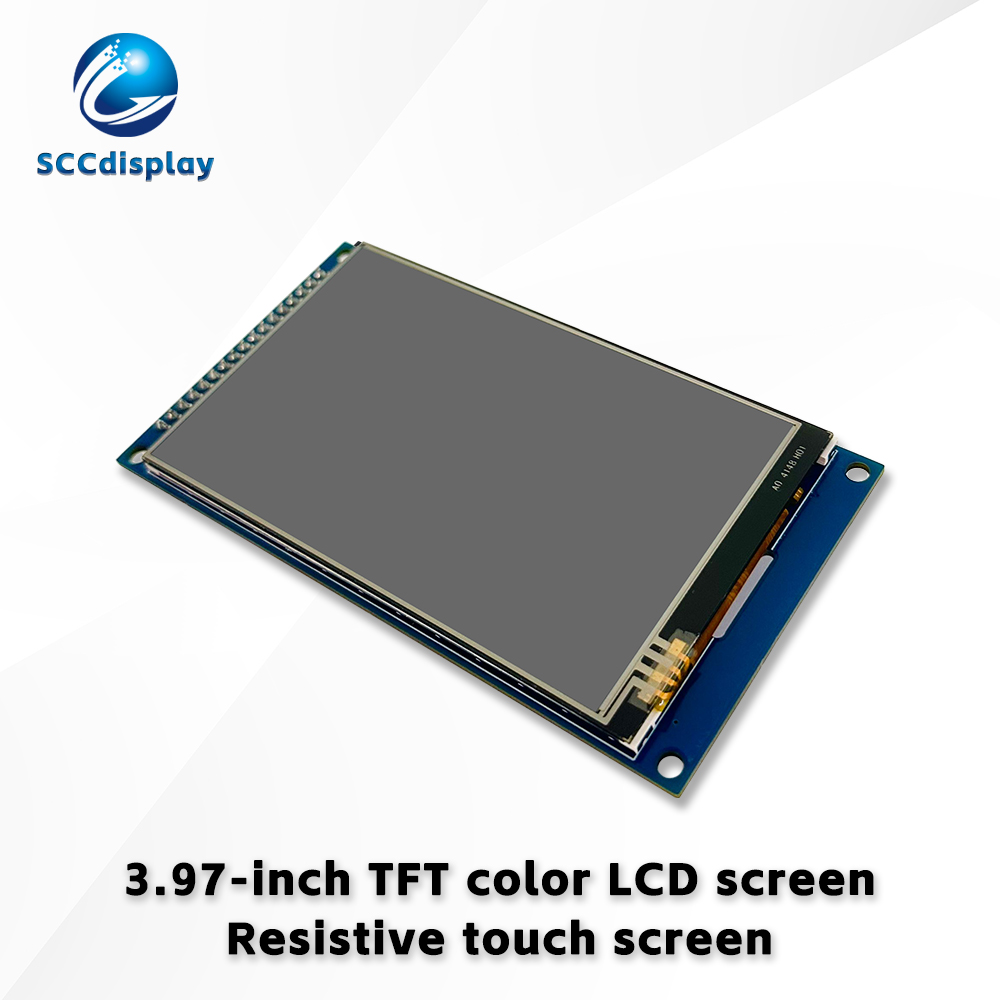
Modules LCD TFT IPS
IPS (Commutation dans le plan) la technologie améliore les angles de vision et la cohérence des couleurs. Les écrans IPS TFT conservent la qualité de l'image même lorsqu'ils sont vus dans différentes directions.
Écrans TFT lisibles à la lumière du soleil
Ces écrans présentent une luminosité améliorée et des améliorations optiques, ce qui les rend adaptés aux environnements extérieurs.
Modules TFT à écran tactile
La fonctionnalité tactile intégrée simplifie la conception du système et améliore l'interaction de l'utilisateur.
Écrans TFT industriels
Conçu pour les environnements exigeants, les modules TFT industriels offrent des plages de température étendues, durabilité améliorée, et disponibilité à long terme.
Applications des modules d'affichage LCD TFT
Electronique grand public
Téléphones intelligents, comprimés, appareils de jeux portables, appareils photo numériques, et les produits pour la maison intelligente utilisent couramment la technologie TFT LCD.
Équipement industriel
Systèmes d'automatisation d'usine, panneaux de contrôle, instrumentation, et les équipements de surveillance s'appuient sur des écrans TFT pour une visualisation claire des données.
Dispositifs médicaux
Moniteurs médicaux, instruments de diagnostic, et les équipements de santé portables utilisent des modules LCD TFT en raison de leur précision et de leur fiabilité.
Écrans automobiles
Tableaux de bord des véhicules, systèmes d'infodivertissement, unités de navigation, et les systèmes de divertissement aux places arrière intègrent fréquemment des écrans LCD TFT.
Appareils intelligents
Machines à laver, réfrigérateurs, machines à café, et les systèmes de climatisation disposent de plus en plus d'interfaces TFT LCD.
IoT et systèmes embarqués
Les ingénieurs utilisent souvent des modules LCD TFT dans Arduino, Framboise Pi, ESP32, et d'autres plateformes de développement embarquées pour créer des projets interactifs.
Facteurs clés à prendre en compte lors du choix d'un module LCD TFT
Lors de la sélection d'un module d'affichage LCD TFT, plusieurs spécifications doivent être évaluées:
Taille de l'écran
Choisissez une taille adaptée à l'application prévue et à l'espace d'installation disponible.
Résolution
Des résolutions plus élevées fournissent des images plus nettes et permettent d'afficher plus d'informations.
Luminosité
Les applications utilisées à l'extérieur ou dans des environnements lumineux peuvent nécessiter des écrans avec des niveaux de luminosité plus élevés.
Angle de vision
Les panneaux IPS sont souvent préférés lorsque des angles de vision larges sont nécessaires.
Compatibilité des interfaces
Assurez-vous que l'interface d'affichage correspond aux capacités du contrôleur hôte.
Fonctionnalité tactile
Déterminez si un écran tactile capacitif ou résistif est requis.
Température de fonctionnement
Les applications industrielles et extérieures peuvent nécessiter des modules fonctionnant de manière fiable à des températures extrêmes.
TFT LCD contre. OLED
la comparaison courante est entre la technologie TFT LCD et la technologie OLED.
Les écrans LCD TFT utilisent un rétroéclairage pour éclairer les pixels, tandis que les écrans OLED génèrent de la lumière directement à partir de chaque pixel. Les écrans OLED offrent généralement des noirs plus profonds et des taux de contraste plus élevés. Cependant, Les modules LCD TFT offrent souvent des coûts inférieurs, disponibilité plus longue, une plus grande durabilité dans certaines applications, et de meilleures performances dans les environnements à haute luminosité.
Pour de nombreux industriels, médical, et applications embarquées, L'écran LCD TFT reste la solution privilégiée en raison de son équilibre de performances, fiabilité, et la rentabilité.
Tendances futures de la technologie LCD TFT
Malgré la concurrence des nouvelles technologies d'affichage, L'écran LCD TFT continue d'évoluer. Les fabricants développent des panneaux plus fins, des résolutions plus élevées, reproduction améliorée des couleurs, et des conceptions plus économes en énergie. Avancées de la technologie IPS, intégration tactile, et la liaison optique améliore encore les performances d'affichage.
Les tendances émergentes incluent les écrans extérieurs ultra-lumineux, options d'intégration flexibles, et des solutions avancées d'interface homme-machine. Alors que les industries continuent d’adopter des appareils intelligents et des systèmes connectés, la demande de modules d'affichage TFT LCD reste forte.
Conclusion
Le module d'affichage LCD TFT est une solution d'affichage polyvalente et fiable utilisée dans de nombreuses industries et applications.. En utilisant la technologie des transistors à couches minces, ces modules offrent une excellente qualité d'image, temps de réponse rapides, couleurs vibrantes, et des performances fiables. Qu'il soit utilisé dans l'électronique grand public, automatisation industrielle, équipement médical, systèmes automobiles, ou appareils IoT, Les modules d'affichage LCD TFT continuent de jouer un rôle essentiel dans la conception électronique moderne. Leur combinaison d'abordabilité, flexibilité, et une technologie éprouvée garantit qu'ils resteront une partie importante du marché de l'affichage pour les années à venir.
