






Was ist ein TFT-LCD-Anzeigemodul?
Was ist ein TFT-LCD-Anzeigemodul??
In der heutigen digitalen Welt, Die Display-Technologie spielt in unzähligen elektronischen Geräten eine entscheidende Rolle. Von Smartphones und Industriegeräten bis hin zu medizinischen Instrumenten und Automobil-Armaturenbrettern, Klare und lebendige visuelle Schnittstellen sind unerlässlich. Eine der am weitesten verbreiteten Anzeigetechnologien ist das TFT-LCD-Anzeigemodul. Aber was genau ist ein TFT-LCD-Anzeigemodul?, und warum ist es so beliebt? In diesem Artikel wird die Technologie untersucht, Struktur, Vorteile, Anwendungen, und zukünftige Trends von TFT-LCD-Anzeigemodulen.
Verständnis der TFT-LCD-Technologie
TFT LCD steht für Dünnschichttransistor-Flüssigkristallanzeige. Es handelt sich um eine Art Flüssigkristallanzeige, die zur Verbesserung der Bildqualität die Dünnschichttransistortechnologie nutzt, Ansprechzeit, und Farbleistung.
standard LCD works by controlling liquid crystals that either block or allow light to pass through. TFT technology enhances this process by assigning a dedicated transistor to each pixel on the screen. These transistors act as switches that precisely control the display's pixels, resulting in sharper images and more accurate colors.
Compared with traditional passive-matrix LCDs, TFT LCDs offer significantly better performance, making them suitable for applications that require detailed graphics, animations, and full-color displays.
Structure of a TFT LCD Display Module
TFT LCD display module consists of several key components:
1. TFT LCD Panel
The panel is the core part of the module. It contains millions of pixels arranged in rows and columns. Each pixel is controlled by a thin-film transistor, Ermöglicht eine genaue Bildwiedergabe.
2. Hintergrundbeleuchtungseinheit
Flüssigkristalle emittieren selbst kein Licht. daher, Zur Beleuchtung des Displays ist eine Hintergrundbeleuchtung erforderlich. Moderne TFT-LCD-Module verwenden typischerweise eine LED-Hintergrundbeleuchtung, da diese eine hohe Helligkeit bietet, geringer Stromverbrauch, und lange Lebensdauer.
3. Treiber-IC
Der integrierte Treiberschaltkreis steuert den Betrieb des Displays. Es empfängt Signale vom Host-Gerät und wandelt sie in Befehle um, die bestimmen, wie sich jedes Pixel verhalten soll.
4. Schnittstellenschaltung
Die Schnittstelle ermöglicht die Kommunikation zwischen dem Anzeigemodul und dem Hauptcontroller. Zu den gängigen Schnittstellen gehört SPI, RGB, MCU, MIPI, LVDS, und HDMI.
5. Touchpanel (Optional)
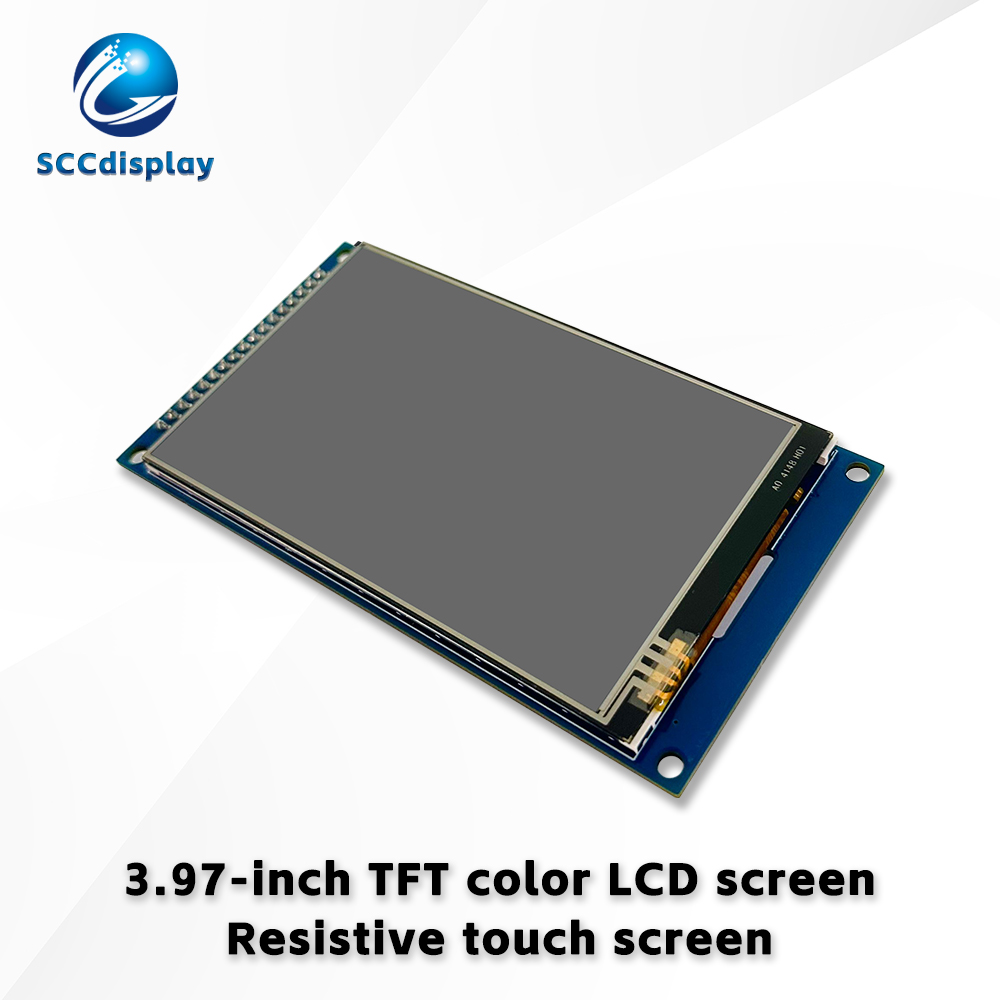
Viele TFT-LCD-Module verfügen über ein kapazitives oder resistives Touchpanel, Dadurch können Benutzer direkt mit dem Display interagieren.
Wie funktioniert ein TFT-LCD-Anzeigemodul??
Der Betrieb eines TFT-LCD-Moduls beginnt mit der Lichterzeugung der Hintergrundbeleuchtung. Dieses Licht durchdringt mehrere Schichten, einschließlich Polarisatoren, Farbfilter, und Flüssigkristallzellen.
Jedes Pixel enthält Rot, Grün, und blaue Subpixel. Die TFT-Transistoren regeln die an das Flüssigkristallmaterial angelegte Spannung, Steuern, wie viel Licht durch jedes Subpixel geht. Durch Anpassen der Intensität der RGB-Farben, Das Display kann Millionen verschiedener Farbkombinationen erzeugen.
Das Ergebnis ist ein helles, bunt, und hochauflösendes Bild, das für verschiedene Anwendungen geeignet ist.
Vorteile von TFT-LCD-Anzeigemodulen
Hervorragende Bildqualität
TFT-LCD-Displays liefern scharfe Bilder mit hoher Auflösung und lebendigen Farben. Dadurch sind sie ideal für grafikintensive Anwendungen.
Schnelle Reaktionszeit
Denn jedes Pixel wird individuell angesteuert, TFT-Displays bieten schnellere Reaktionszeiten als herkömmliche LCD-Technologien. Dies trägt dazu bei, Bewegungsunschärfe zu reduzieren und die Videowiedergabe zu verbessern.
Große Auswahl an Größen
TFT-LCD-Module sind in vielen Größen erhältlich, Von kompakten 1,44-Zoll-Displays für tragbare Geräte bis hin zu großen Industriepanels mit mehr als 1,44 Zoll 15 Zoll.
Geringer Stromverbrauch
Moderne TFT-LCD-Module nutzen energieeffiziente LED-Hintergrundbeleuchtungen und optimierte Treiberschaltungen, Dadurch sind sie für batteriebetriebene Geräte geeignet.
Hohe Zuverlässigkeit
Die TFT-LCD-Technologie ist ausgereift und weit verbreitet, Bietet eine lange Lebensdauer und stabile Leistung.
Touchscreen-Kompatibilität
Viele TFT-Module können mit Touchpanels integriert werden, Erstellen intuitiver Mensch-Maschine-Schnittstellen für moderne Geräte.
Gängige Arten von TFT-LCD-Anzeigemodulen
Standard-TFT-LCD-Module
Diese Module sind für allgemeine Anwendungen konzipiert und bieten eine gute Leistung zu erschwinglichen Kosten.
IPS-TFT-LCD-Module
IPS (In-Plane-Switching) Technologie verbessert Betrachtungswinkel und Farbkonsistenz. IPS-TFT-Displays behalten die Bildqualität auch bei Betrachtung aus verschiedenen Richtungen.
Sonnenlichttaugliche TFT-Displays
Diese Displays zeichnen sich durch eine erhöhte Helligkeit und optische Verbesserungen aus, Dadurch sind sie für den Außenbereich geeignet.
Touchscreen-TFT-Module
Die integrierte Touch-Funktionalität vereinfacht das Systemdesign und verbessert die Benutzerinteraktion.
Industrielle TFT-Displays
Entwickelt für anspruchsvolle Umgebungen, Industrie-TFT-Module bieten erweiterte Temperaturbereiche, verbesserte Haltbarkeit, und Langzeitverfügbarkeit.
Anwendungen von TFT-LCD-Anzeigemodulen
Unterhaltungselektronik
Smartphones, Tabletten, Tragbare Spielgeräte, Digitalkameras, und Smart-Home-Produkte nutzen üblicherweise die TFT-LCD-Technologie.
Industrieausrüstung
Fabrikautomatisierungssysteme, Bedienfelder, Instrumentierung, and monitoring equipment rely on TFT displays for clear visualization of data.
Medizinische Geräte
Medical monitors, diagnostic instruments, and portable healthcare equipment use TFT LCD modules because of their accuracy and reliability.
Automobildisplays
Vehicle dashboards, infotainment systems, navigation units, and rear-seat entertainment systems frequently incorporate TFT LCD displays.
Intelligente Geräte
Waschmaschinen, refrigerators, coffee machines, and air conditioning systems increasingly feature TFT LCD interfaces.
IoT and Embedded Systems
Engineers often use TFT LCD modules in Arduino, Raspberry Pi, ESP32, and other embedded development platforms to create interactive projects.
Key Factors to Consider When Choosing a TFT LCD Module
When selecting a TFT LCD display module, several specifications should be evaluated:
Screen Size
Choose a size appropriate for the intended application and available installation space.
Auflösung
Higher resolutions provide sharper images and allow more information to be displayed.
Helligkeit
Applications used outdoors or in bright environments may require displays with higher brightness levels.
Betrachtungswinkel
IPS panels are often preferred when wide viewing angles are necessary.
Schnittstellenkompatibilität
Ensure the display interface matches the capabilities of the host controller.
Touch Functionality
Determine whether a capacitive or resistive touch panel is required.
Betriebstemperatur
Industrial and outdoor applications may require modules that function reliably in extreme temperatures.
TFT LCD vs. OLED
common comparison is between TFT LCD and OLED technology.
TFT LCD displays use a backlight to illuminate pixels, while OLED displays generate light directly from each pixel. OLED screens generally offer deeper blacks and higher contrast ratios. Jedoch, TFT LCD modules often provide lower costs, longer availability, greater durability in certain applications, and better performance in high-brightness environments.
For many industrial, medizinisch, und eingebettete Anwendungen, TFT LCD remains the preferred solution due to its balance of performance, Zuverlässigkeit, und Wirtschaftlichkeit.
Future Trends in TFT LCD Technology
Despite competition from newer display technologies, TFT LCD continues to evolve. Manufacturers are developing thinner panels, higher resolutions, improved color reproduction, and more energy-efficient designs. Advances in IPS technology, touch integration, and optical bonding further enhance display performance.
Emerging trends include ultra-bright outdoor displays, flexible integration options, and advanced human-machine interface solutions. As industries continue to adopt smart devices and connected systems, demand for TFT LCD display modules remains strong.
Abschluss
TFT LCD display module is a versatile and reliable display solution used across numerous industries and applications. By utilizing thin-film transistor technology, these modules deliver excellent image quality, fast response times, vibrant colors, and dependable performance. Whether used in consumer electronics, Industrielle Automatisierung, medizinische Ausrüstung, Automobilsysteme, or IoT devices, TFT LCD display modules continue to play a vital role in modern electronic design. Their combination of affordability, flexibility, and proven technology ensures they will remain an important part of the display market for years to come.
