






Qu'est-ce que le module d'affichage LCD
Les modules d'affichage LCD sont l'une des technologies d'affichage les plus utilisées dans l'électronique moderne.. Des appareils électroménagers et systèmes de contrôle industriels aux tableaux de bord automobiles et projets électroniques de bricolage, Les modules LCD offrent un moyen fiable et économique d'afficher des informations. Leur faible consommation électrique, structure compacte, et leur longue durée de vie en font une solution idéale pour une large gamme d'applications.
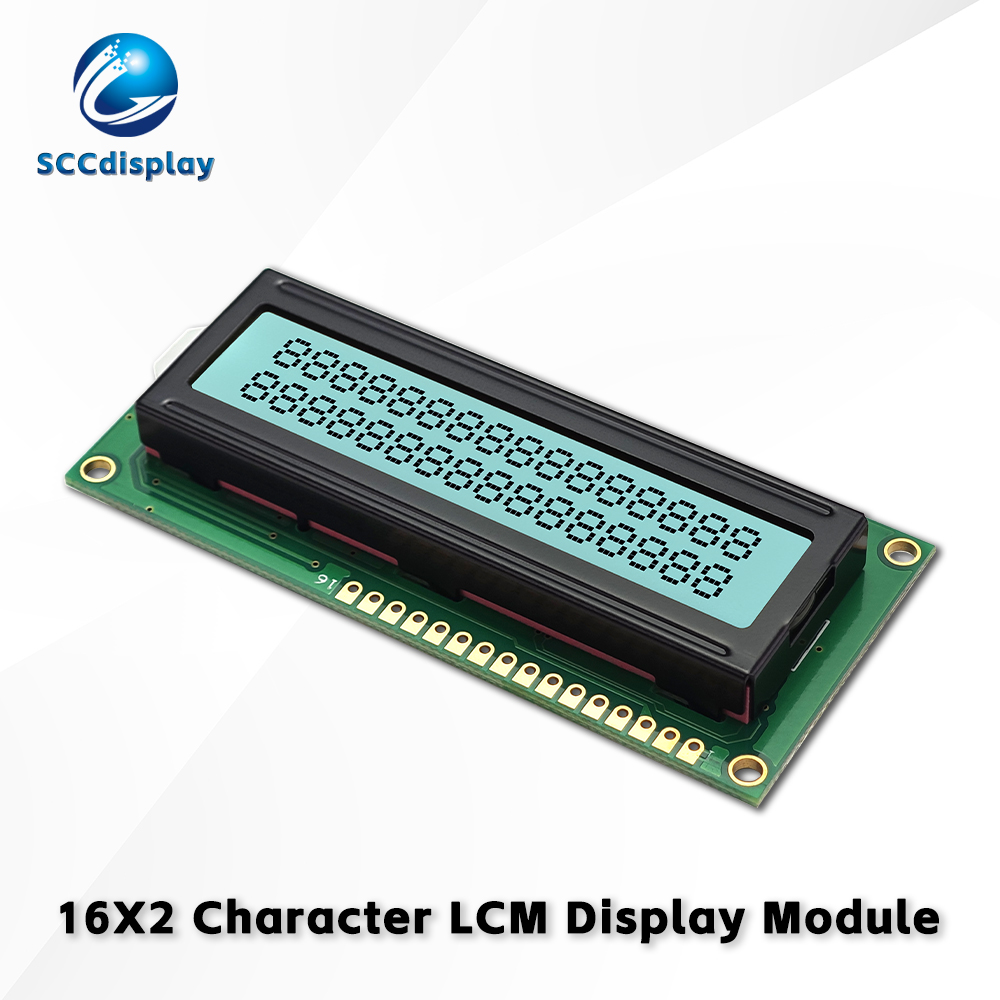
Que signifie l'écran LCD?
LCD signifie Affichage à Cristaux Liquides. Il s'agit d'une technologie d'affichage à écran plat qui utilise un matériau à cristaux liquides pour contrôler la lumière et créer des images visibles., personnages, ou des graphiques. Contrairement aux écrans LED qui émettent de la lumière directement, Les écrans LCD s'appuient sur des cristaux liquides pour bloquer ou transmettre la lumière d'une source de rétroéclairage.
Le module d'affichage LCD est une unité d'affichage complète qui intègre plusieurs composants dans un seul package, y compris:
- Panneau d'affichage LCD
- CI de contrôleur
- Circuit pilote
- Système de rétroéclairage
- Connecteurs d'interface
- Carte PCB
Cette structure intégrée permet au module d'affichage de communiquer facilement avec les microcontrôleurs, processeurs, et systèmes embarqués.
Comment fonctionnent les modules d'affichage LCD
Les modules d'affichage LCD fonctionnent en contrôlant l'alignement des molécules de cristaux liquides entre les couches de verre et les filtres polarisants..
Lorsqu'une tension est appliquée aux cristaux liquides, les molécules changent d'orientation. Ce changement contrôle la quantité de lumière qui traverse des zones spécifiques de l'écran.. La combinaison de la transmission de la lumière et du blocage crée un texte visible, Nombres, symboles, ou des graphiques sur l'écran.
La plupart des modules LCD incluent un rétroéclairage LED qui améliore la visibilité dans les environnements faiblement éclairés. Le contrôleur IC traite les données entrantes d'un périphérique hôte et les convertit en signaux d'affichage qui activent les pixels ou segments corrects..
Le processus se déroule extrêmement rapidement, permettant aux écrans LCD de s'actualiser en continu et de présenter des images stables. Cela réduit la lisibilité, tandis qu'un écran surdimensionné peut augmenter la consommation d'énergie et les coûts.
Comprendre la structure d'un module LCD permet d'expliquer sa fonctionnalité et ses performances.
Panneau LCD
Le panneau LCD est la zone visuelle principale où les informations apparaissent. Il contient la couche de cristaux liquides et la structure de pixel ou de segment.
CI de contrôleur
La puce du contrôleur gère la communication entre l'écran et le système externe. Les contrôleurs populaires incluent:
- HD44780
- ST7066
- SSD1306
- AIP31066
Le contrôleur interprète les commandes et détermine la façon dont les données sont affichées à l'écran.
Circuit pilote
Le pilote génère des signaux électriques qui activent les pixels ou segments d'affichage.
Rétroéclairage
La plupart des modules LCD modernes utilisent un rétroéclairage LED pour une luminosité améliorée et une consommation d'énergie réduite.
Connecteur d'interface
Les modules LCD prennent en charge plusieurs interfaces de communication, y compris:
- Parallèle
- IPS
- I2C
- UART
L'interface détermine la compatibilité avec différentes plateformes électroniques.
Types de modules d'affichage LCD
Il existe plusieurs types de modules d'affichage LCD conçus pour différentes applications et exigences d'affichage..
Modules LCD à caractères
Les modules LCD de caractères affichent des caractères fixes disposés en lignes et en colonnes. Les configurations courantes incluent:
- 16x2 écran LCD
- 20x4 écrans LCD
- 8x2 écran LCD
- 40x2 écran LCD
Ces écrans sont couramment utilisés dans les systèmes embarqués car ils sont simples, abordable, et facile à programmer.
Les écrans LCD à caractères sont idéaux pour:
- Affichage des données du capteur
- Indicateurs d'état de l'équipement
- Panneaux de contrôle industriels
- Projets d'électronique éducative
Modules LCD graphiques
Les modules LCD graphiques offrent un contrôle total des pixels, permettant aux utilisateurs d'afficher des graphiques personnalisés, icônes, et polices.
Les résolutions populaires incluent:
- 128x64
- 240x128
- 320x240
Les écrans LCD graphiques sont largement utilisés dans:
- Matériel médical
- Instruments de mesure
- Appareils GPS
- Systèmes d'automatisation industrielle
Ils offrent une plus grande flexibilité par rapport aux affichages de caractères.
Modules LCD TFT
TFT signifie Thin Film Transistor. Les modules LCD TFT fournissent des couleurs, écrans haute résolution avec des taux de rafraîchissement rapides et une excellente qualité d'image.
Les écrans TFT se trouvent couramment dans:
- Téléphones intelligents
- Systèmes d'infodivertissement automobile
- Appareils domestiques intelligents
- Appareils de jeu portables
- IHM industrielles
Ces écrans prennent en charge des interfaces graphiques riches et des fonctionnalités tactiles.
Modules LCD à segments
Les modules LCD à segments sont conçus pour afficher des symboles prédéfinis, Nombres, ou des icônes.
Les applications typiques incluent:
- Horloges numériques
- Calculatrices
- Compteurs utilitaires
- Thermomètres
- Appareils grand public
Les écrans LCD à segments consomment très peu d'énergie et sont très rentables.
Avantages des modules d'affichage LCD
Les modules d'affichage LCD offrent de nombreux avantages qui les rendent populaires dans tous les secteurs.
Faible consommation d'énergie
Les modules LCD nécessitent un minimum d'énergie, ce qui les rend idéaux pour les appareils alimentés par batterie.
Conception compacte
Leur structure fine et légère permet aux fabricants de créer des produits électroniques plus petits.
Longue durée de vie
La technologie LCD assure un fonctionnement fiable pendant de nombreuses années dans des conditions normales.
Rentable
Les modules LCD à caractères et segments sont abordables pour les applications commerciales et industrielles.
Intégration facile
Les modules LCD sont compatibles avec les plateformes de développement populaires telles que Arduino, Framboise Pi, STM32, et ESP32.
Bonne visibilité
Les écrans LCD modernes offrent une excellente lisibilité avec un rétroéclairage LED et des angles de vision améliorés.
Applications des modules d'affichage LCD
Les modules d'affichage LCD sont utilisés dans de nombreuses industries et systèmes électroniques.
Electronique grand public
De nombreux produits ménagers utilisent des écrans LCD, y compris:
- Fours à micro-ondes
- Climatiseurs
- Machines à laver
- Horloges numériques
- Télécommandes
Équipement industriel
Les systèmes industriels utilisent des modules LCD pour afficher l'état de la machine, mesures, et informations de contrôle.
Écrans automobiles
Les véhicules utilisent des modules LCD dans:
- Clusters de tableaux de bord
- Systèmes de navigation
- Panneaux de climatisation
- Systèmes de divertissement aux places arrière
Dispositifs médicaux
L'équipement médical s'appuie sur des écrans LCD pour une présentation claire et précise des données.
Projets éducatifs et de bricolage
Les modules LCD sont extrêmement populaires parmi les étudiants et les amateurs pour les projets de microcontrôleurs et le développement de prototypes..
Interfaces LCD et communication
Les modules d'affichage LCD prennent en charge plusieurs protocoles de communication.
Interface parallèle
La communication parallèle transfère plusieurs bits simultanément et offre une vitesse élevée mais nécessite plus de broches.
Interface SPI
La communication SPI est rapide et couramment utilisée dans les écrans graphiques et TFT.
Interface I2C
I2C réduit l'utilisation des broches et simplifie le câblage, ce qui le rend idéal pour les systèmes compacts.
Interface UART
UART permet la communication série et est utile pour des applications embarquées spécifiques.
Le choix de la bonne interface dépend de la conception du système et des exigences de traitement.
Facteurs à prendre en compte lors du choix d'un module d'affichage LCD
La sélection du bon module LCD dépend de plusieurs facteurs importants.
Taille d'affichage
Choisissez une taille d'affichage adaptée au produit et à la distance de visualisation.
Résolution
Une résolution plus élevée fournit un texte et des graphiques plus nets.
Angle de vision
La technologie IPS LCD offre des angles de vision plus larges et une meilleure cohérence des couleurs.
Exigences d'alimentation
Les appareils portables nécessitent souvent des solutions d'affichage à faible consommation.
Conditions environnementales
Les applications industrielles peuvent nécessiter des températures de fonctionnement étendues et une lisibilité à la lumière du soleil.
Compatibilité des interfaces
Assurez-vous que le module fonctionne avec votre microcontrôleur ou processeur.
Développement futur de la technologie LCD
La technologie LCD continue de s'améliorer avec les progrès en matière de luminosité, précision des couleurs, rapport de contraste, et intégration tactile.
Les modules LCD TFT modernes prennent désormais en charge:
- Écrans tactiles capacitifs
- Résolutions haute définition
- Technologie de visualisation IPS
- Structures ultra fines
- Fonctionnement à faible consommation
Bien que les écrans OLED soient de plus en plus populaires dans les produits haut de gamme, Les modules LCD restent très compétitifs en raison de leur prix abordable, durabilité, et maturité de fabrication.
Conclusion
Les modules d'affichage LCD sont des composants essentiels des systèmes électroniques modernes. Leur polyvalence, faible consommation d'énergie, taille compacte, et leurs performances fiables les rendent adaptés à d'innombrables applications dans le domaine de l'électronique grand public., automatisation industrielle, systèmes automobiles, et développement embarqué.
Que vous ayez besoin d'un simple affichage de caractères pour un projet Arduino ou d'un écran TFT haute résolution pour un appareil intelligent, Les modules LCD offrent des solutions flexibles pour presque toutes les exigences d'affichage. Alors que la technologie d'affichage continue d'évoluer, Les modules LCD resteront un choix important et fiable pour les ingénieurs, créateurs, et les fabricants d'électronique du monde entier.visages, choisissez un écran à plus haute résolution.
